
Official Ender 3 V2 Heated Bed
4.5Editor score
Official Creality replacement part
220W 24V power output
Includes assembled cable
Compare the top 10 heated beds for 3D printers to find the perfect replacement or upgrade for your machine and improve print quality today.
A reliable heated bed is essential for successful 3D printing across various materials. It ensures proper adhesion and prevents warping during long prints.
We evaluated ten highly rated heated beds based on compatibility power output and construction quality. Our analysis focuses on real-world performance and user feedback.
Each pick highlights key specs and ideal use cases for different printer models. Note that prices may fluctuate frequently on online marketplaces.
4.5Editor score

5.0Editor score

5.0Editor score
This table provides a side by side comparison of all ten selected heated beds. Review the specifications and features to determine the best fit for your printer.

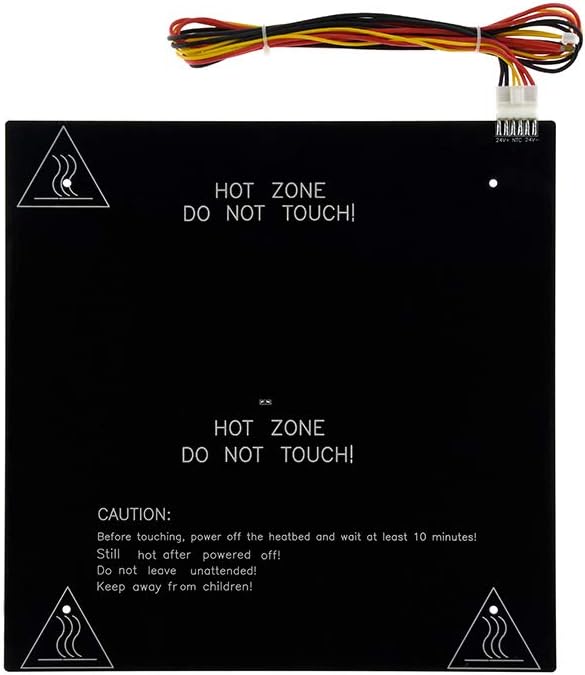


This official Creality replacement offers a dependable solution for users needing a new heated bed. It maintains the original factory specifications for reliable performance.
We may earn a commission when you buy through this link, at no additional cost to you.
Its 24V 220W power ensures consistent heat distribution across the 235x235mm printing surface. The aluminum platform provides sturdy support for various print materials.
While it lacks modern enhancements like glass surfaces, it delivers core functionality effectively. The included cable simplifies installation without requiring additional wiring.
Budget conscious users seeking a direct replacement should consider this option. It is ideal for maintaining stock performance without extra spending.
Designed to fit Ender 3 V2 and related models perfectly.
220W power output balances heating speed with energy usage.
We may earn a commission when you buy through this link, at no additional cost to you.
HICTOP provides a versatile alternative for users with various Ender models. This bed matches common dimensions and voltage requirements for easy installation.
We may earn a commission when you buy through this link, at no additional cost to you.
The 110C maximum temperature is suitable for most standard filaments like PLA and ABS. Aluminum construction ensures even heating across the bed area.
Users may find the surface texture slightly less refined than premium options. However, it functions well for general purpose printing tasks.
This choice works well for those needing a broad compatibility replacement. It is a solid value for standard FDM printing needs.
Fits Ender 3 Pro Neo V2 and V2 Neo seamlessly.
Aluminum base resists warping during high temperature use.
We may earn a commission when you buy through this link, at no additional cost to you.
The Tosuny silicone heated bed offers superior thermal performance for its class. Users report high satisfaction with its heating consistency and durability.
We may earn a commission when you buy through this link, at no additional cost to you.
Silicone material ensures rapid and uniform heat distribution across the print surface. This reduces cold spots that can cause adhesion failures.
Though sensitive to excessive heat limits it performs reliably within rated parameters. The high rating reflects its effectiveness in real world printing.
Ideal for enthusiasts seeking reliable performance over stock beds. It balances cost and quality effectively for Ender 3 users.
Silicone technology ensures no cold spots during preheat.
Handles heat well within recommended safety limits.
We may earn a commission when you buy through this link, at no additional cost to you.
This heated bed targets users with the classic Creality CR-10 printer. It provides the specific dimensions required for that larger build volume.
We may earn a commission when you buy through this link, at no additional cost to you.
At 310x310mm it accommodates larger prints that smaller beds cannot. The aluminum plate offers stable thermal properties for consistent results.
While the rating is lower it serves a niche market effectively. Users must ensure compatibility with their specific CR-10 version.
Recommended for CR-10 owners needing a direct replacement or upgrade. It is not suitable for smaller Ender series printers.
Dimensions match CR-10 frame mounting points exactly.
Simplifies electrical connection for new installations.
We may earn a commission when you buy through this link, at no additional cost to you.
This massive 500x500mm bed is designed for large format 3D printing projects. It accommodates big parts that standard beds cannot handle.
We may earn a commission when you buy through this link, at no additional cost to you.
The 350W power output ensures the large surface heats evenly. Aluminum alloy construction provides the rigidity needed for such a size.
Users should verify their power supply can handle the higher demand. This bed is specifically for large scale printing applications.
Best for professionals or makers working on oversized components. It expands printing possibilities significantly for dedicated setups.
500mm square area allows for very large single parts.
350W power maintains heat across the large surface.
We may earn a commission when you buy through this link, at no additional cost to you.
This premium heating plate is engineered specifically for advanced Voron 3D printer builds. It supports high AC voltage for faster heating times.
We may earn a commission when you buy through this link, at no additional cost to you.
The 750W power ensures the bed reaches target temperatures rapidly. Integrated safety features like a thermal fuse protect the system.
While expensive it delivers professional grade performance. Users get precise control and safety without extra components.
Ideal for advanced builders prioritizing speed and reliability. It simplifies wiring for Voron 2.4 or Trident models.
110V AC input enables much faster heating cycles.
Thermal fuse prevents overheating risks automatically.
We may earn a commission when you buy through this link, at no additional cost to you.
This bed suits older printers running on 12V systems like the Anet A8. It offers a cost effective upgrade to stock beds.
We may earn a commission when you buy through this link, at no additional cost to you.
The 120W rating ensures safe operation on older power supplies. Aluminum substrate helps maintain a flat surface over time.
Users should check voltage requirements carefully before buying. It is not compatible with newer 24V machines.
Perfect for owners of legacy 3D printers needing a replacement. It restores functionality to machines that still print well.
Designed for 12V systems common in older models.
120W power matches standard legacy PSU limits.
We may earn a commission when you buy through this link, at no additional cost to you.
This 400x400mm bed provides a middle ground between standard and large formats. It suits printers needing more space than typical Ender sizes.
We may earn a commission when you buy through this link, at no additional cost to you.
The 280W power supports rapid heating and stable temps. Aluminum alloy ensures durability and consistent flatness.
Design details like countersunk holes maximize usable print area. This minimizes collisions with the nozzle during printing.
Good for hobbyists scaling up their print volume safely. It offers a practical size for medium to large projects.
Countersunk holes free up surface space for prints.
Aluminum alloy resists warping under heat stress.
We may earn a commission when you buy through this link, at no additional cost to you.
This 500x500mm bed delivers high performance for large industrial style printers. It combines a large surface with strong heating capabilities.
We may earn a commission when you buy through this link, at no additional cost to you.
The integrated silicone pad ensures even heat distribution across the bed. A 90 second heat up time is quick for this size.
Power requirements are significant so verify PSU capacity first. This is a professional tool for serious production use.
Best for makers needing consistent high quality large prints. It reduces warping risks with its strong stable heat.
350W power ensures rapid and stable heating.
500mm square area handles oversized projects easily.
We may earn a commission when you buy through this link, at no additional cost to you.
This heating pad is tailored for Voron 2.4 and Trident models. It supports 220V for efficient heating performance.
We may earn a commission when you buy through this link, at no additional cost to you.
Perforated design aids thermal management and installation fit. The 750W power heats quickly and maintains stable temps.
Stable power design minimizes print defects like warping. It is a specialized part for Voron enthusiasts.
Choose this if you build a Voron printer. It ensures the bed performs well within that specific ecosystem.
Precise dimensions fit Voron frames perfectly.
220V power offers fast preheat and stability.
We may earn a commission when you buy through this link, at no additional cost to you.
Selecting the right heated bed involves considering printer model compatibility power requirements and material needs. These factors ensure reliable prints.
Ensure the bed dimensions match your printer's build volume exactly. Using mismatched sizes leads to installation issues or print failures.
Check the mounting hole patterns and frame clearance before purchasing to confirm physical fit.
Verify the voltage of your printer's power supply is 12V or 24V to avoid damage. Connecting wrong voltage can burn components.
Match the bed's voltage to your PSU rating for safe operation and longevity.
Higher wattage heats the bed faster but requires a stronger power supply. Balance speed with your PSU's capacity.
Choose power ratings that fit your PSU's total output limits.
Aluminum plates offer durability and even heat distribution. Look for solid construction that resists warping.
Select high quality aluminum for consistent heating results.
Countersunk holes save print space and prevent nozzle collisions. Flat surfaces ensure better print adhesion.
Prioritize beds with countersunk designs for max area.
Check if the bed comes with wiring to simplify installation. Missing cables add extra cost and work.
Choose options that include necessary cables for setup.
Consider build volume needs when selecting size. Standard Ender sizes are 235mm while others vary.
Pick sizes matching your specific print requirements.
Features like thermal fuses protect against overheating issues. Safety components prevent fire hazards and equipment damage.
Opt for beds with safety features for peace of mind.
Ensure the power connections are secure and match the printer's voltage before powering on.
Use leveling screws to align the bed surface with the nozzle distance accurately.
Regularly check and clean the surface to maintain consistent print adhesion.
No this you cannot use a 24V bed on a 12V supply. It will not heat properly and may not work at all. Always match the voltage to your power supply exactly for safety.
Uneven heating often results from poor contact or a damaged heater element. Ensure all screws are tightened and the bed is properly mounted. Check connections for loose spots.
Most quality heated beds last several years with normal use. Proper handling and avoiding excessive heat extend their lifespan. Regular cleaning also helps maintain performance.
Not always but replacements help if your current bed fails or you need different sizes. If prints stick well and heat evenly, you may not need an upgrade yet.
Most standard beds safely reach up to 110 degrees Celsius. Exceeding limits can damage the bed or cause hazards. Follow manufacturer specs for safe use.
Silicone beds offer better heating uniformity and durability. The materials and construction are costlier but provide performance benefits. They often heat faster and more consistently.
We found the Tosuny silicone bed offers the best overall performance for standard printers with high user satisfaction. It balances speed and reliability well.
Prioritize compatibility and voltage safety above all when choosing. This prevents damage and ensures your new bed works as expected.
Prices fluctuate so check current deals on these options before buying. Compare total costs including cables for the best value.