
TempPro TempAir Digital Hygrometer Indoor Thermometer
4.6Editor score
Face icon comfort indicator
High accuracy sensors
Compact display with large digits
Discover the top 10 hygrometer for incubator models for 2026. We compare accuracy, features, and design to help you find the perfect monitor.
Monitoring the right environment is crucial for successful egg incubation. A reliable hygrometer ensures you maintain the necessary humidity and temperature levels throughout the process.
We have analyzed ten top-rated models based on accuracy, ease of use, and specific features needed for incubators. This list covers various budgets and use cases.
Each pick highlights unique strengths to help you decide which device fits your setup. Note that product details and availability can change over time.
4.6Editor score

4.4Editor score

4.5Editor score
This side-by-side comparison highlights the key specifications of all ten models to help you evaluate features like accuracy, display size, and mounting options.

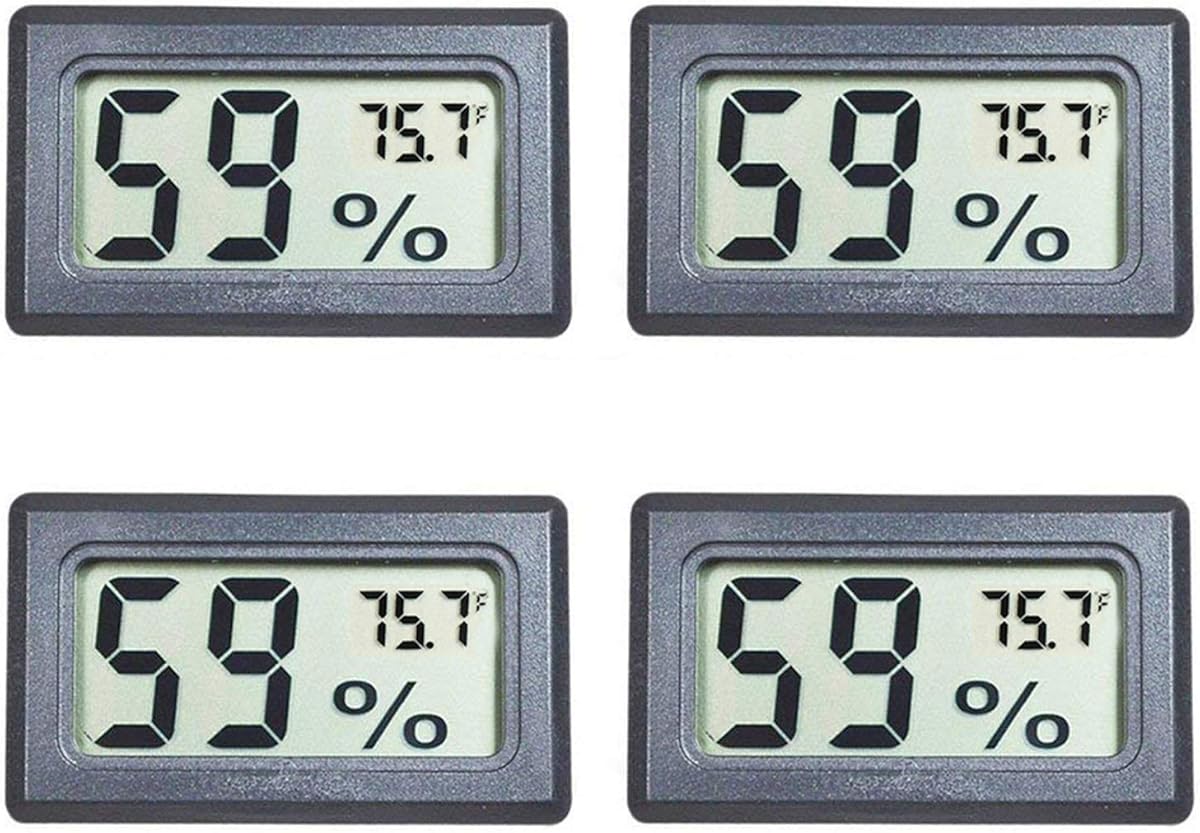


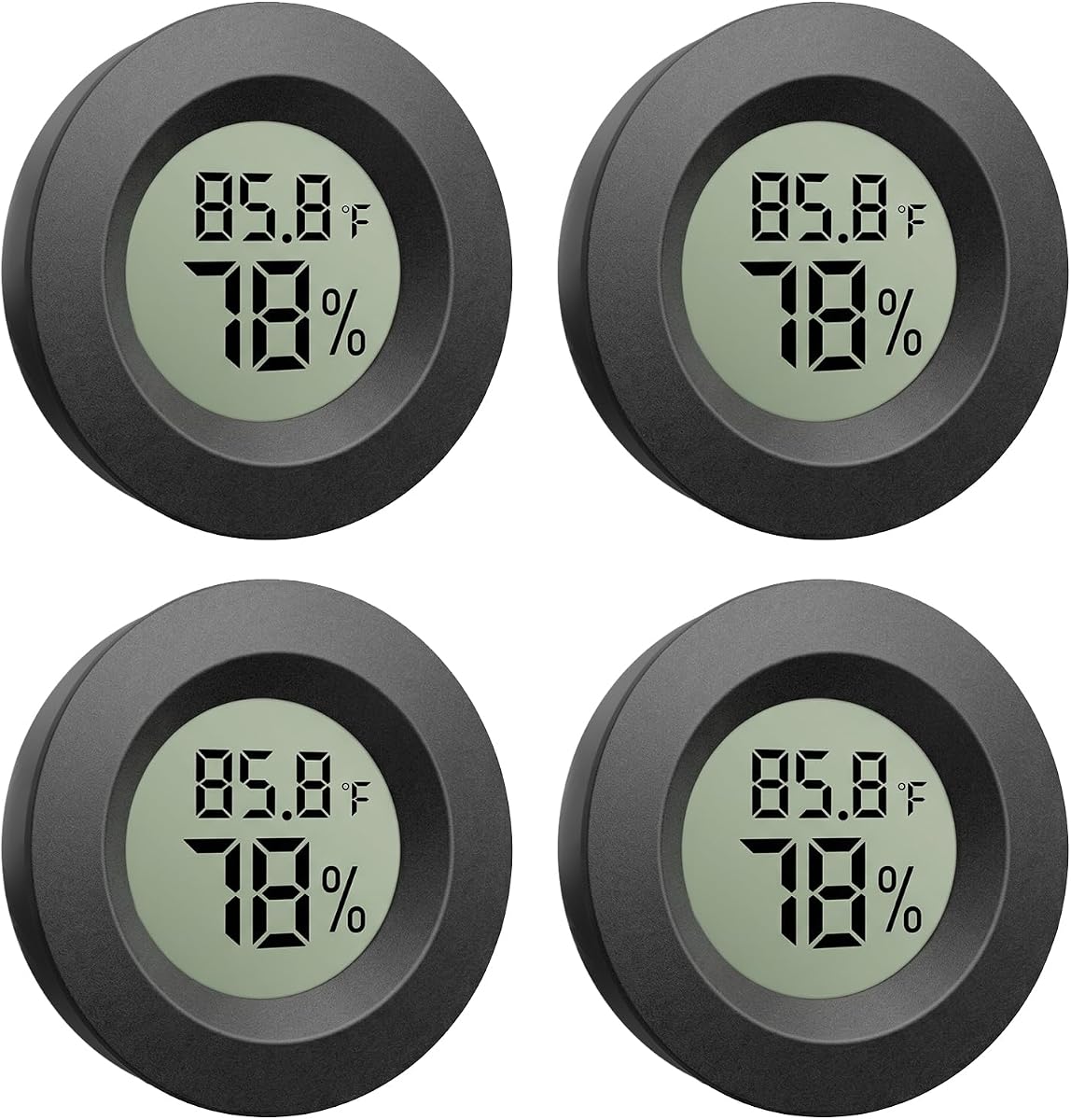

The IncuTherm™ Plus is a top-rated solution for incubator monitoring with a 4.4 rating. Its standout feature is the remote probe, allowing you to track conditions inside the incubator while keeping the display outside.
We may earn a commission when you buy through this link, at no additional cost to you.
This device excels in data tracking, recording min/max temperature and humidity to help you identify fluctuations. The large digital display ensures readability in various lighting conditions without straining your eyes.
While the remote probe setup takes a moment to configure, it significantly reduces the need to open the incubator frequently, maintaining stable internal conditions. The inclusion of a battery ensures it is ready to use immediately.
If you prioritize accurate, uninterrupted monitoring with easy viewing, this model is highly recommended for serious incubators needing reliable data tracking.
The remote sensor allows for real-time checks without disturbing the incubation environment.
Min/Max memory helps users spot trends and make timely adjustments to maintain optimal conditions.
We may earn a commission when you buy through this link, at no additional cost to you.
The Serundo Auto offers a high 4.5 rating for those seeking cost-effective monitoring. Its mini design makes it easy to place inside an incubator without occupying excessive space.
We may earn a commission when you buy through this link, at no additional cost to you.
It features fast response times with updates every 10 seconds, ensuring you have timely data on conditions. The ability to switch between Fahrenheit and Celsius adds versatility for users in different regions.
While it lacks specialized incubator features like remote probes, its accuracy and affordability make it a solid choice for small-scale or backup monitoring.
Buy this if you need multiple units for different setups or want a reliable, budget-friendly option for general humidity tracking.
Automatic updates every 10 seconds provide current data for quick decision-making.
Suitable for various environments beyond incubators, adding value to the purchase.
We may earn a commission when you buy through this link, at no additional cost to you.
This 4-pack offers excellent value with four mini digital gauges perfect for monitoring multiple incubators or different zones within one setup. Each unit provides easy temperature and humidity monitoring.
We may earn a commission when you buy through this link, at no additional cost to you.
With a wide measuring range from -58℉ to 158℉ and 10% to 99% humidity, it covers the full spectrum of incubation needs. The compact size ensures it fits discreetly inside small enclosures.
The main limitation is the lack of a remote probe, meaning you must read the display inside the unit. However, the included backup batteries and long life minimize interruptions.
Choose this set if you need multiple devices for a hatchery or want to monitor humidity across several areas simultaneously.
Four devices allow for comprehensive monitoring across different incubation projects.
Long-lasting batteries and included spares ensure continuous monitoring without frequent changes.
We may earn a commission when you buy through this link, at no additional cost to you.
The IncuTherm Digital model stands out with a 4.5 rating and premium integration of both thermometer and hygrometer. It simplifies setup by combining tools into one device.
We may earn a commission when you buy through this link, at no additional cost to you.
Its large display ensures clear visibility, while min/max memory helps track historical data. Dual measurement units offer flexibility for international users, and the included battery ensures immediate readiness.
The lack of a remote probe means you must check inside the incubator, but the accuracy and ease of use make up for it in many standard setups.
Ideal for users who value streamlined equipment and reliable accuracy without needing external sensors.
Combining thermometer and hygrometer reduces clutter and simplifies calibration.
A large digital screen ensures readings are easily visible from a distance.
We may earn a commission when you buy through this link, at no additional cost to you.
This model features a unique face icon system that quickly tells you if the air is dry, comfortable, or wet. With a 4.6 rating, it is known for high accuracy.
We may earn a commission when you buy through this link, at no additional cost to you.
The fast refresh rate updates data every 10 seconds, and the compact display with large digits is easy to read. Its 3-way mount options make it versatile for various placement needs.
While it does not have incubator-specific alerts, the general accuracy and visual indicators help maintain optimal conditions effectively.
Select this if you want quick visual cues and a compact design for general humidity monitoring.
Face icons provide an immediate understanding of humidity levels without interpreting numbers.
Multiple mounting options allow you to position the device for optimal reading angles.
We may earn a commission when you buy through this link, at no additional cost to you.
The Weewooday pack includes three digital meters with a probe design, making it suitable for detailed spot checks inside incubators. The stainless steel probe enhances accuracy for temperature reading.
We may earn a commission when you buy through this link, at no additional cost to you.
With a large LCD display, readings are easy to see even in low light. The durable ABS material ensures a reliable build for various indoor environments.
The probe is non-waterproof, so it should not be used in wet environments. The lower rating suggests potential variability in accuracy over time.
Choose this if you need multiple units with probe capabilities for targeted monitoring.
Stainless steel probes offer precise localized temperature measurements.
Three devices allow for simultaneous monitoring of different incubation zones.
We may earn a commission when you buy through this link, at no additional cost to you.
This TempPro model features a wellness indicator that helps users understand the quality of the air. With a 4.6 rating, it is known for high accuracy and reliable performance.
We may earn a commission when you buy through this link, at no additional cost to you.
It records high and low levels for comparison, and updates data every 10 seconds to reflect current conditions. The tabletop stand design makes it easy to place on shelves or counters.
While not dedicated to incubators, its precision makes it suitable for general environmental monitoring where stable conditions are required.
Ideal for users seeking a reliable indoor monitor with a clear wellness focus.
Icons help ensure humidity levels remain in a healthy range for skin and comfort.
High and low records help users identify patterns and adjust controls accordingly.
We may earn a commission when you buy through this link, at no additional cost to you.
This 6-pack provides extensive coverage for multiple incubators or different rooms. Each unit is a 2-in-1 thermometer and hygrometer with a built-in probe for precision.
We may earn a commission when you buy through this link, at no additional cost to you.
With quick reacting sensors and a wide testing range, it handles various conditions effectively. The after-sale service ensures support if any issues arise during use.
The main trade-off is the generic design, which lacks incubator-specific alerts but remains functional for basic monitoring.
Choose this if you need multiple units for a large setup or want to monitor several environments simultaneously.
Six devices allow for comprehensive monitoring across a hatchery or lab.
Sensors update every 10 seconds to reflect current conditions accurately.
We may earn a commission when you buy through this link, at no additional cost to you.
This 4-pack offers a compact design with a built-in sensor probe for precise measurements. Each unit allows you to switch between Fahrenheit and Celsius easily.
We may earn a commission when you buy through this link, at no additional cost to you.
It features easy installation with included double-sided tape, making it simple to mount inside an incubator. Long battery life ensures minimal maintenance.
The small display may be harder to read from a distance, and the overall rating is lower than premium models.
Best for users who need multiple compact units for small or tight spaces.
Small size ensures the device fits in tight incubation spaces without obstruction.
Double-sided tape allows secure mounting for stable monitoring.
We may earn a commission when you buy through this link, at no additional cost to you.
This 6-pack offers a budget-friendly bulk option with high-precision sensors for accurate monitoring. Each device features a clear display for easy reading.
We may earn a commission when you buy through this link, at no additional cost to you.
With a wide measurement range, it covers the full spectrum of incubation needs. Long battery life ensures consistent operation without frequent changes.
The lack of specialized alerts means manual checks are necessary, but the value of six units makes it a practical choice for large setups.
Select this if you need multiple units for cost-effective monitoring across several incubators.
High-precision sensors provide reliable data even at a budget-friendly price point.
Six units allow you to monitor multiple zones or projects at once.
We may earn a commission when you buy through this link, at no additional cost to you.
Selecting the right hygrometer involves evaluating several factors to ensure accuracy and reliability for your incubation needs.
Look for a hygrometer with high accuracy ratings, such as ±2°F for temperature and ±5%RH for humidity. High sensitivity ensures the device captures small changes that could affect egg development.
Accuracy is critical because even minor deviations can lead to failed hatch rates.
Some models come with remote probes, allowing you to keep the display outside the incubator. This reduces the need to open the incubator, which can cause temperature drops.
If possible, choose a model with a remote probe for better stability during monitoring.
A clear, large digital display ensures you can read the data without opening the incubator. Ensure the digits are bold and the backlight is sufficient for low-light conditions.
A readable display helps you make quick adjustments without compromising the environment.
Devices that record maximum and minimum readings help you track fluctuations over time. This data is valuable for identifying periods when the incubator may be struggling to maintain conditions.
Always choose a model that offers historical data tracking for better long-term insights.
Long battery life ensures uninterrupted monitoring. Models that include backup batteries or use standard replaceable cells are preferable to avoid unexpected power failures.
A reliable power source is essential for continuous operation throughout the incubation period.
Consider how the device fits inside the incubator. Options like tabletop stands, magnetic backs, or adhesive mounts allow flexible placement without obstructing the eggs.
Choose a mounting option that keeps the device secure and out of the way of moving parts.
The device should be made of durable materials to withstand the humid environment of an incubator. Quality plastic or ABS housing ensures longevity.
Durability prevents damage from moisture exposure and extends the device's lifespan.
Simple interfaces are preferable for daily use. Features like Fahrenheit/Celsius conversion and fast refresh rates enhance usability.
A user-friendly interface helps you focus on results rather than operating the device.
Place the sensor or probe inside the incubator away from direct water sources to avoid false readings. Ensure it is secure and not in contact with moving parts or water pans.
Calibrate the device before each incubation cycle by comparing it with a trusted reference tool. This ensures the readings are accurate and consistent.
Clean the sensor regularly with a soft, dry cloth to remove dust or moisture buildup. Avoid using harsh chemicals that could damage the electronics.
Check your hygrometer at least twice daily to ensure conditions remain stable. Frequent checks help you catch fluctuations early and make necessary adjustments.
Humidity prevents the egg membranes from drying out, which is essential for proper chick development. Incorrect humidity can lead to hatch failure.
Yes, a standard hygrometer can work if it is accurate and placed correctly. However, specialized models often offer features like remote probes that are more convenient.
To calibrate, place the device in a sealed container with a damp paper towel and check the reading against a known humidity level. Adjust settings if necessary.
Most eggs require temperatures between 99°F and 100°F (37.2°C to 37.8°C). Consistency is more important than the exact number.
Fluctuations can occur due to opening the incubator, poor insulation, or unstable power. Using a model with min/max memory helps track these changes.
We highlighted ten top-rated hygrometers including the IncuTherm™ Plus for its remote monitoring capabilities and the TempPro models for their affordability and features.
Prioritize accuracy, remote probes, and data tracking features that match your specific incubation needs to ensure successful hatching.
Always check current product availability and user reviews before making a final decision to ensure you get the best value.