
Windows 11 Laptop i3
4.5Editor score
Intel Core i3 Processor
12GB RAM Memory
256GB SSD Drive
Engineering students require reliable computing power to handle complex simulations, coding environments, and design software throughout their academic journey. Choosing the right laptop involves balancing performance needs with portability for campus life.
We evaluated ten distinct models focusing on processor speed, memory capacity, storage options, and display quality. Our analysis considers how well each machine supports common engineering tasks like CAD modeling and data analysis without breaking the bank.
Each pick highlights specific strengths such as battery longevity or screen clarity to match different student requirements. Please note that product availability and pricing fluctuate regularly so check current details before making your final decision.
4.5Editor score

4.6Editor score

4.6Editor score
As an Amazon Associate we earn from qualifying purchases.
The following table provides a side by side overview of key specifications for each recommended laptop to help you quickly identify the model that fits your academic needs.




This Lenovo laptop stands out as the top recommendation for engineering students due to its robust hardware configuration. With a 13th Gen Intel Core i7 processor and 24GB of RAM, it handles demanding software like MATLAB and AutoCAD with ease.
We may earn a commission when you buy through this link, at no additional cost to you.
The inclusion of a 1TB NVMe SSD ensures quick boot times and ample space for large project files. Additionally, the MIL-STD-810H certification means the chassis can withstand the rigors of daily campus transport without damage.
While the weight is slightly higher than ultralight models, the performance trade-off is necessary for complex calculations. The screen resolution is standard Full HD which is sufficient for most coding and design tasks.
Students needing reliable performance for four years of study will find this machine invaluable. It strikes the perfect balance between power and durability for rigorous academic workloads.
The 24GB RAM allows you to run virtual machines alongside browsers and documentation without slowdown.
Multiple USB ports and HDMI output let you connect to projectors and external monitors effortlessly.
We may earn a commission when you buy through this link, at no additional cost to you.
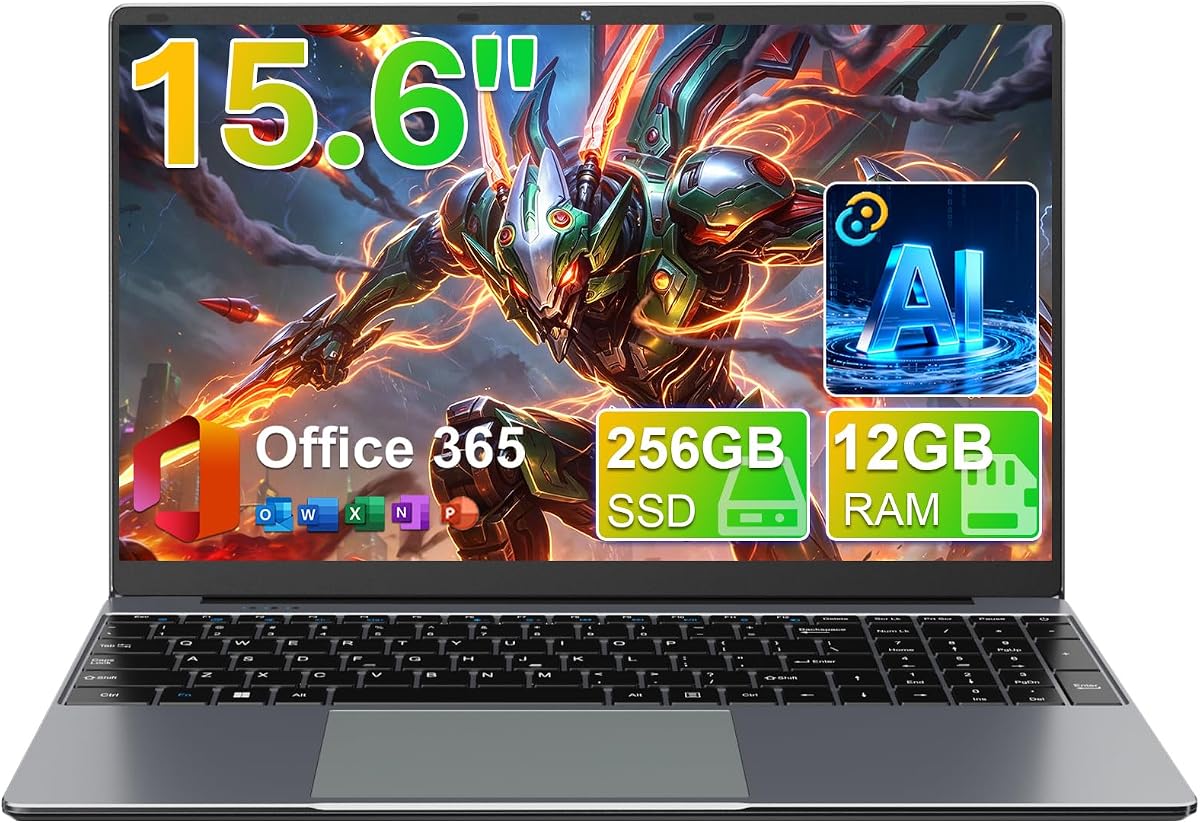
For students on a tight budget, this Windows 11 laptop offers a compelling entry point into engineering coursework. It features an Intel Core i3 processor paired with 12GB of RAM which is adequate for programming and basic design work.
We may earn a commission when you buy through this link, at no additional cost to you.
The Full HD anti-glare display ensures clear visibility during long study sessions in libraries or cafes. Connectivity options include WiFi 6 and multiple USB ports making it easy to connect peripherals and external drives.
Integrated graphics mean this model is not suitable for heavy 3D rendering or gaming but it excels at general productivity. The battery life supports a full day of classes without needing a charger nearby.
This device is ideal for freshmen or those focusing on theoretical aspects of engineering. It provides essential tools without the premium cost of high end workstations.
Students save money while still getting the core computing power needed for lectures and assignments.
Lightweight build allows for easy carrying between lecture halls and study groups daily.
We may earn a commission when you buy through this link, at no additional cost to you.
This HP 17 inch laptop provides a spacious workspace ideal for detailed engineering schematics and multitasking. The large Full HD IPS display allows you to view complex diagrams side by side without constant scrolling.
We may earn a commission when you buy through this link, at no additional cost to you.
Powered by an AMD Ryzen 5 processor and 16GB of RAM, it delivers smooth performance for business applications and data analysis. The inclusion of Windows 11 Pro adds enterprise level security features beneficial for corporate internships.
While the size makes it less portable than smaller laptops, it serves as a powerful desktop replacement. The fast charge capability ensures you can get back to work quickly if the battery runs low during a busy day.
Students who prioritize screen real estate and computing power over portability will appreciate this machine. It is built to handle sustained workloads with reliability and professional features.
The 17.3 inch screen offers more room for spreadsheets and CAD tools simultaneously.
Windows 11 Pro supports advanced security protocols and remote management tools.
We may earn a commission when you buy through this link, at no additional cost to you.
This HP 14 inch model combines essential productivity features with a lightweight design suitable for daily campus use. The Intel Processor N150 offers a good balance for web browsing and document editing tasks.
We may earn a commission when you buy through this link, at no additional cost to you.
Inclusion of a one year Microsoft 365 subscription adds value for students needing reliable software tools immediately. The long battery life ensures you can attend back to back classes without hunting for power outlets.
Storage space is limited to 128GB which may require external drives for large engineering project files. It is best suited for students whose workloads rely more on cloud storage than local installation of heavy software.
An excellent choice for those prioritizing mobility and essential productivity tools. It keeps things simple while providing enough power for everyday academic tasks.
Pre-installed Office 365 allows immediate start on essays and data spreadsheets.
Battery endurance supports full days of lectures and study sessions comfortably.
We may earn a commission when you buy through this link, at no additional cost to you.
This HP Stream laptop stands out due to its generous storage solution combining eMMC with a 1TB docking station. It is an interesting option for students who need to store vast amounts of project data affordably.
We may earn a commission when you buy through this link, at no additional cost to you.
The 16GB RAM helps manage multiple browser tabs and lightweight applications smoothly. Despite the basic Celeron processor, the memory helps maintain responsiveness during typical study activities.
Performance is adequate for word processing and research but not for rendering or complex simulations. The HD screen is functional but lacks the sharpness of Full HD panels found on other models.
Best for students needing large file storage without a high cost. It pairs well with a cloud account for critical application work.
The docking station adds significant drive space for keeping files organized.
High memory capacity ensures smooth switching between open applications.
We may earn a commission when you buy through this link, at no additional cost to you.
The HP 2026 Essential offers a clean and efficient experience for students who value portability. Its compact 14 inch form factor fits easily into backpacks for travel between buildings.
We may earn a commission when you buy through this link, at no additional cost to you.
While RAM is limited to 4GB, it handles basic web tasks and document editing effectively. The micro-edge display provides a modern look with adequate brightness for indoor use.
This model is best for students who rely heavily on web based applications and cloud storage. It lacks the horsepower for heavy offline processing but excels at daily communication tasks.
Ideal for those needing a secondary device or primary laptop for light academic work. It keeps things simple and easy to carry around.
Lightweight body ensures you can carry it all day without fatigue.
Copilot features assist with quick drafting and coding suggestions.
We may earn a commission when you buy through this link, at no additional cost to you.
This student laptop features a 180 degree hinge that allows the screen to lie flat for collaborative presentations. It is a unique feature for group work in shared study spaces.
We may earn a commission when you buy through this link, at no additional cost to you.
The Full HD IPS panel provides better color accuracy and viewing angles than standard TN screens. Combined with 12GB RAM it handles everyday tasks efficiently for a mid-range device.
The processor is older but adequate for basic programming and writing tasks. Battery life supports several hours of active use before needing a recharge.
Perfect for students who present often and need a clear screen for peers. It balances cost with useful collaboration tools.
Flat hinge lets others view the screen easily during group discussions.
IPS technology ensures colors look consistent from different angles.
We may earn a commission when you buy through this link, at no additional cost to you.
This HP laptop emphasizes AI integration to help students streamline their research and drafting processes. The dedicated Copilot key provides quick access to helpful digital assistance tools.
We may earn a commission when you buy through this link, at no additional cost to you.
While the hardware is entry level, the software features add significant value for writing and organizing tasks. It is suitable for students focused on coursework rather than heavy technical computing.
The design remains professional and fits well in business or academic settings. Battery life is solid enough for standard school days without interruption.
A smart choice for those looking to leverage AI tools for efficiency. It supports modern study methods with helpful software integration.
Quick access to AI tools helps draft emails and summarize notes faster.
Clean design and finishes look appropriate for internships and presentations.
We may earn a commission when you buy through this link, at no additional cost to you.
This Dell model focuses on eye comfort and typing ergonomics for long study sessions. The ComfortView software helps reduce blue light emissions to minimize eye strain during night study.
We may earn a commission when you buy through this link, at no additional cost to you.
The raised hinges create an optimal typing angle for wrist health which is valuable for coding sessions. Performance from the Core i5 processor is dependable for general engineering tasks.
The build is sturdy with a numeric keypad that helps with data entry tasks. It is a reliable machine for those who prioritize physical comfort and durability.
Great for students who spend hours typing or reading. The ergonomic features provide a more comfortable experience.
Reduced blue light helps protect eyes during late night assignments.
Raised hinge design improves typing posture and reduces wrist fatigue.
We may earn a commission when you buy through this link, at no additional cost to you.
This HP 14 inch laptop serves as a reliable entry level device for basic academic needs. It is designed to handle the essentials like browsing and word processing without complexity.
We may earn a commission when you buy through this link, at no additional cost to you.
The HD webcam ensures clear video quality for online classes and virtual meetings. Connectivity is modern with WiFi 6 ensuring stable internet access in crowded dorm environments.
While not suitable for heavy simulations it covers the basics for many general education requirements. It is a practical choice for budget conscious buyers.
Ideal for students starting out who need a simple dependable machine. It handles daily tasks efficiently without a high price.
Handles standard course materials and video calls without issue.
WiFi 6 ensures stable connections in busy shared spaces.
We may earn a commission when you buy through this link, at no additional cost to you.
Selecting the right laptop requires understanding your specific engineering discipline and usage habits. This guide breaks down the critical factors to ensure your device lasts through your degree.
The processor acts as the brain of your computer and is critical for running simulation software. Look for Intel Core i5 or i7 and AMD Ryzen 5 or 7 series to handle complex calculations efficiently.
Prioritize models with higher core counts for faster processing of data intensive tasks.
RAM determines how many applications you can run simultaneously without lag. Engineering software often requires significant memory to compile code and render graphics smoothly.
Aim for at least 16GB of RAM to ensure smooth multitasking throughout your studies.
Solid state drives (SSDs) offer faster boot times and file access compared to traditional hard drives. Large project files and software installations require ample storage space.
Choose a device with at least 512GB of SSD storage to accommodate your growing library of files.
A high resolution screen is essential for viewing detailed schematics and CAD drawings. Look for Full HD resolution and IPS panels for better color accuracy and viewing angles.
Prioritize a display size of 15 inches or more for sufficient workspace on screen.
Long battery life ensures you can work through lectures and study sessions without carrying a charger. Engineering tasks can drain power quickly so efficiency is key.
Select a laptop with a rated battery life of at least eight hours for reliable all day use.
Since you will likely carry your laptop between classes a lighter weight design is beneficial. However do not sacrifice performance for weight as engineering tasks demand power.
Balance screen size with weight to find a machine that fits your backpack easily.
You will need to connect to projectors external monitors and peripherals regularly. Ensure the laptop has sufficient USB ports HDMI and Ethernet options for labs.
Look for modern ports like USB-C which support fast data transfer and charging.
Engineering students often face daily wear and tear on their devices. A chassis with military grade certification can withstand drops and bumps during transit.
Invest in a durable build to protect your investment throughout your academic career.
To maximize battery longevity avoid charging your device to 100 percent constantly. Try to keep the charge between 20 and 80 percent when possible to reduce chemical degradation over time.
Keep your laptop clean by using a microfiber cloth to wipe the screen and keyboard regularly. Avoid eating near the device to prevent crumbs from entering the keys and fans.
Install a cooling stand if you run heavy applications for long periods to prevent overheating. This helps maintain optimal performance and prevents thermal throttling during critical work.
For AutoCAD and MATLAB you should look for a laptop with at least an Intel Core i5 processor or equivalent. Sixteen gigabytes of RAM is recommended to handle large files and complex equations smoothly. Ensure you have a dedicated graphics card for better performance in 3D modeling tasks.
While 8GB of RAM might work for basic coursework it can struggle with demanding engineering software. It is advisable to upgrade to 16GB to ensure your computer remains fast as you progress through your degree. This prevents slow down when running multiple applications at once.
Most engineering software is optimized for Windows so a Windows laptop is generally safer for compatibility. However some specific software is available on Mac so check your curriculum requirements first. Windows offers broader support for niche engineering tools.
A dedicated graphics card is vital for 3D modeling and rendering tasks like those in mechanical engineering. Integrated graphics can handle basic tasks but may struggle with detailed simulations. If your major focuses on design ensure your laptop has a discrete GPU.
A larger screen allows you to have multiple code windows visible simultaneously which boosts productivity. At least 15 inches is recommended to avoid excessive eye strain and constant window toggling. External monitors are also a great addition if you work mostly from home.
A quality laptop with solid build and sufficient RAM can easily last four years of study. Investing in a machine with upgradeable components helps extend its lifespan as requirements grow. Regular maintenance will keep it running smoothly throughout your degree.
Use a padded sleeve or a quality backpack with a dedicated laptop compartment for transport. Avoid placing heavy objects on top of the closed laptop in your bag. Also keep liquids away from the workspace to prevent accidental spills on the device.
Touch screens can be helpful for navigating diagrams and presentations but are not essential for core tasks. They add to the cost and battery drain so weigh the benefits against your specific needs. Most engineers find a standard display sufficient for their work.
We have reviewed ten diverse options ranging from budget friendly models to high performance machines. The Lenovo model stands out for raw power while the Windows 11 i3 offers great value for beginners.
When deciding prioritize the processing power and memory that your specific major demands. Balancing portability with performance will ensure you can work anywhere on campus without compromise.
Prices and availability fluctuate so always verify the latest details before purchasing. Select the model that best fits your academic goals and budget constraints today.