
Mcbazel 3 in 1 Handheld Digital Anemometer
4.5Editor score
Wind level scale
Multiple unit options
MAX MIN AVG functions
Discover the top 10 anemometer for measuring wind speed models tested for accuracy, durability, and features to help you choose the right tool today.
Finding the right tool to gauge airflow is essential for hobbyists and professionals alike. A quality anemometer for measuring wind speed delivers precise data for various applications including HVAC diagnostics and outdoor sports planning.
We compared ten top-rated models based on accuracy, ease of use, and feature sets. Our analysis covers handheld units designed for everything from drone flying to industrial ventilation checks ensuring you find a reliable match.
Each pick highlights specific strengths like LCD clarity battery life or portability. Note that product availability and pricing may fluctuate over time so check current listings before making your final purchasing decision.
4.5Editor score

4.5Editor score

4.4Editor score
This table provides a side-by-side overview of the top ten models focusing on their core capabilities and unique selling points to help you compare them quickly.

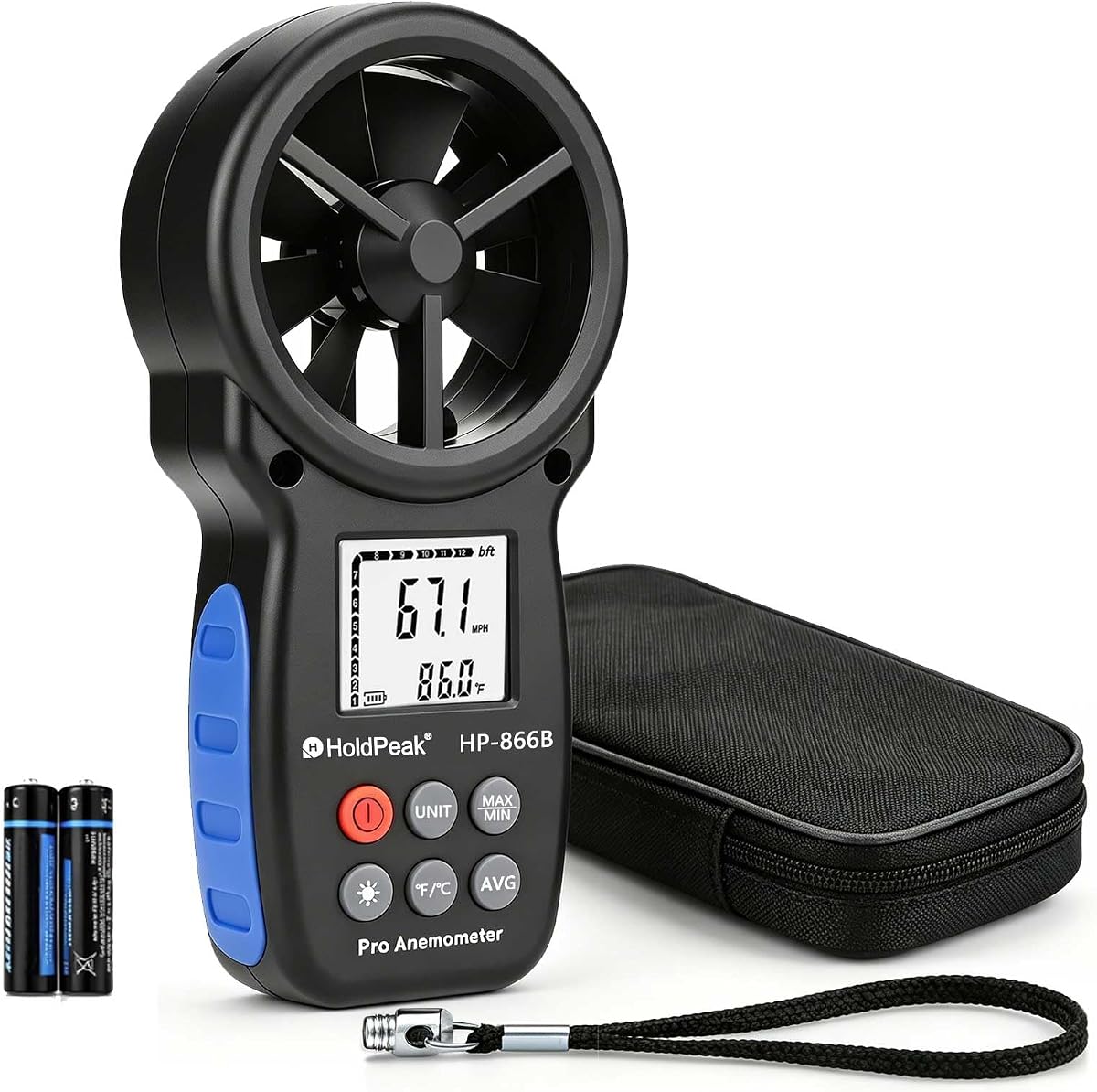
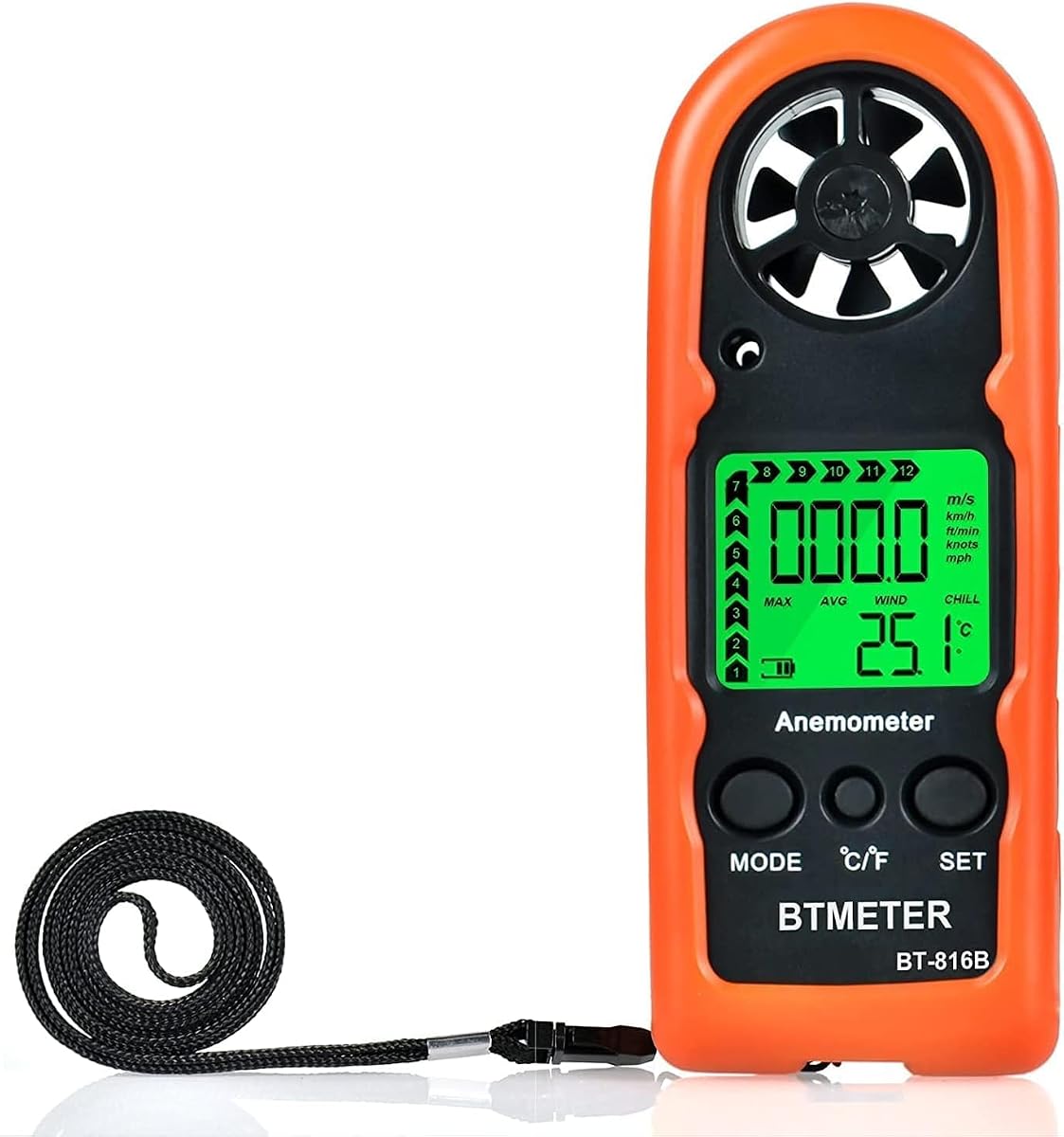


The BTMETER BT-100 stands out as a top choice for those needing precise airflow data. With a solid 4.5 rating it combines portability with professional features like wind chill and CFM calculation support.
We may earn a commission when you buy through this link, at no additional cost to you.
Its dual temperature sensors and eight vanes allow it to detect low air flows effectively making it ideal for HVAC installations. The bright backlit screen ensures visibility in dimly lit ducts or dark storage areas.
While the device is highly capable users should handle the fan blades with care to avoid damage. The included case helps protect the unit during transport but careful storage is still recommended for longevity.
Professionals and serious hobbyists will appreciate the tripod mount option which frees up hands during drone flights or long range shooting. It delivers reliable performance for both indoor ventilation checks and outdoor weather monitoring.
The combination of sensitive sensors and multiple vanes ensures accurate readings even in minimal air movement scenarios.
The threaded tripod hole allows secure mounting for continuous monitoring without holding the device manually.
We may earn a commission when you buy through this link, at no additional cost to you.
This Mcbazel model offers exceptional value for casual users needing reliable wind data. It measures speed temperature and wind level on a clear double line display making it easy to read at a glance.
We may earn a commission when you buy through this link, at no additional cost to you.
The inclusion of the Beaufort scale adds educational value helping users understand wind intensity in practical terms. Features like MAX MIN and AVG functions allow for quick analysis of wind fluctuations during use.
While the construction is basic and batteries are not included the unit performs well for its price. The auto power off feature helps conserve energy when users forget to turn it off manually after checking.
It is an excellent entry level option for sailing fishing or general outdoor activities. The lightweight build makes it easy to carry in a pocket or bag without adding bulk to your gear.
Understanding wind levels becomes easier with the integrated Beaufort scale displayed alongside speed readings.
Automatic shutdown prevents battery drain ensuring the device is ready when you need it most.
We may earn a commission when you buy through this link, at no additional cost to you.
The TopTes TS-301 features a large 2.26 inch LCD screen that makes reading data effortless even from a distance. It goes beyond basic speed by including a humidity sensor for a fuller environmental picture.
We may earn a commission when you buy through this link, at no additional cost to you.
Its rotatable fan blades allow users to adjust the device for better airflow capture in different setups. The package includes batteries and a carry pouch making it ready to use right out of the box.
Users should note that temperature and humidity sensors may take up to thirty minutes to adjust to new environments. This warm up time is normal for precise sensing but requires patience for immediate high accuracy readings.
Ideal for golfers drone flyers and boaters this unit balances size and functionality well. The auto shutdown feature ensures power is not wasted during short breaks in your outdoor activities or inspections.
Measuring humidity alongside wind speed helps provide a complete understanding of local weather conditions.
Included batteries and a carry pouch mean you can start measuring immediately without extra purchases.
We may earn a commission when you buy through this link, at no additional cost to you.
HoldPeak is known for industrial tools and this 866B model lives up to that reputation with high accuracy. It uses dual temp sensors and eight vanes to ensure reliable detection of wind speed and temp.
We may earn a commission when you buy through this link, at no additional cost to you.
The hand strap provides extra security during use reducing the risk of dropping the unit in awkward positions. A waterproof carrying pouch is included to protect the device when stored in tool bags.
While it is priced higher than entry level models the build quality justifies the cost for professionals. The tripod hole allows for stable mounting during extended monitoring sessions in HVAC or ventilation systems.
Technicians will find the CFM calculation support particularly useful for ductwork assessments. The smooth fan shaft ensures consistent readings even at lower speeds which is critical for detailed airflow analysis.
Dual temperature sensors and multiple vanes work together to deliver precise and reliable airflow measurements.
The included hand strap prevents accidental drops ensuring safety during use on ladders or in tight spaces.
We may earn a commission when you buy through this link, at no additional cost to you.
Weighing only 53 grams this BTMETER model is one of the lightest options available. Its compact size makes it ideal for hikers and travelers who need to carry tools without adding significant weight.
We may earn a commission when you buy through this link, at no additional cost to you.
The one handed design allows for quick measurements without fumbling. Real time wind chill indication helps with safety assessments during outdoor activities like mountain climbing or sailing in cold conditions.
While the casing is less durable than premium models the included lanyard helps prevent loss during active use. Customer support is available for those who need help with operation or troubleshooting issues.
For casual users needing a portable solution this unit fits the bill perfectly. The low battery indicator ensures you know when to replace power so unexpected failures do not interrupt your plans.
At just 53 grams this device fits easily in a pocket or small bag without adding weight.
Real time wind chill readings help assess potential cold stress risks during outdoor activities.
We may earn a commission when you buy through this link, at no additional cost to you.
The Soonkoda model provides a straightforward way to measure wind speed with clear unit options. It covers a broad range from 0.06 to 30 m/s making it suitable for both light breezes and stronger gusts.
We may earn a commission when you buy through this link, at no additional cost to you.
A dual line display shows speed and temperature simultaneously allowing for quick comparisons. The MAX MIN and AVG functions help track fluctuations which is useful for assessing wind stability over time.
While it lacks some advanced features like humidity sensing its simplicity can be a benefit for users needing just speed data. The backlight ensures readability even when the sun is low or conditions are cloudy.
For sailing fishing or basic outdoor checks this device offers reliable performance at a competitive price point. The auto power off feature helps extend battery life ensuring you are not caught off guard in the field.
Measuring from very light air to strong winds ensures versatility across different weather conditions.
MAX MIN and AVG functions allow you to monitor wind consistency for better activity planning.
We may earn a commission when you buy through this link, at no additional cost to you.
This POROMETISTO model stands out for its visual alarm system that changes color based on wind levels. Green indicates safe levels while red signals danger making it easy to spot risks at a glance.
We may earn a commission when you buy through this link, at no additional cost to you.
With sampling every half second the data updates quickly to reflect real time changes. This fast response is valuable for activities like drone flying where sudden gusts can impact stability.
The device comes with batteries included so it is ready to use immediately. A one year free replacement service adds peace of mind for users concerned about potential quality issues during the warranty period.
Construction workers or hobbyists needing quick safety checks will benefit from the visual alerts. The ergonomic housing ensures a comfortable grip even during extended periods of outdoor monitoring.
Color changing backlight helps identify wind risks quickly without needing to read numbers.
Sampling every half second ensures you see wind changes as they happen instantly.
We may earn a commission when you buy through this link, at no additional cost to you.
Caldwell is a trusted name in shooting gear and this wind meter reflects that reliability. It features a water resistant material and non-slip rubber casing which ensures durability in rough outdoor conditions.
We may earn a commission when you buy through this link, at no additional cost to you.
The limited lifetime warranty from Caldwell offers significant long term protection for your investment. A lanyard is included to keep the device secure and accessible during long range shooting or hunting sessions.
While the unit options are fewer than some competitors the accuracy is tailored for ballistics applications. The LCD backlight helps with quick readings in low light conditions often encountered during early morning shoots.
Shooting enthusiasts who value durability and warranty support will find this unit worth the premium. The auto power off feature conserves battery so it is always ready for the next field trip.
Tailored for long range and hunting ensuring reliable data for precision shooting scenarios.
A limited lifetime warranty provides lasting peace of mind for your equipment investment.
We may earn a commission when you buy through this link, at no additional cost to you.
The Proster model distinguishes itself with direct support for CFM CMM and CMS flow calculations. This capability streamlines workflow for technicians who need to measure air volume rather than just speed.
We may earn a commission when you buy through this link, at no additional cost to you.
A large LCD backlight makes reading values easy in dark utility rooms or basements. The reading hold function allows you to freeze a value for recording without needing to hold the button down constantly.
It includes a 9V battery which can be bulky but provides long life for continuous use. The weight and size mean it is less suited for casual outdoor use but perfect for stationary ventilation checks.
HVAC professionals will appreciate the ability to switch between flow units easily. The high quality build ensures it can withstand daily use in industrial or home inspection environments.
Direct CFM and CMM support simplifies volume measurements for ventilation and industrial use.
The included 9V battery offers extended runtime reducing the need for frequent replacements.
We may earn a commission when you buy through this link, at no additional cost to you.
The VEVOR Split model offers advanced data management with a USB port for PC connection. This allows for detailed logging and analysis which is beneficial for research or professional reporting needs.
We may earn a commission when you buy through this link, at no additional cost to you.
It includes a 6.6 foot extendable cord giving you flexibility to measure from a distance. The IP44 waterproof rating ensures performance in rain or snow conditions without damage to the electronics.
The storage bag and lanyard ensure the device remains organized and protected during transit. While it is heavier than simple handhelds the split design and cord provide versatility in complex measurement setups.
Professionals needing durable and connected tools will find this system invaluable. The LED backlight ensures visibility in any lighting condition making it reliable for night work or dark indoor spaces.
USB connectivity allows you to transfer data to a PC for deeper analysis and record keeping.
The included extendable cord lets you take readings from hard to reach areas safely.
We may earn a commission when you buy through this link, at no additional cost to you.
Selecting the right anemometer requires understanding your specific needs and environment. This guide breaks down the essential factors to consider before making your purchase.
Accuracy is critical especially for professional applications like HVAC or aviation. Look for units that specify their tolerance levels typically within 2% to 5% of readings. Ensure the measurement range covers the minimum and maximum speeds you expect to encounter in your environment.
Prioritize models with clear range specifications and proven accuracy to avoid unreliable data that could compromise your work.
The display type plays a major role in ease of use especially in varying light conditions. Backlit LCDs are essential for low light environments such as ducts or nighttime shooting. Consider screen size and contrast to ensure numbers are readable from a distance.
A bright and clear backlight ensures you can read values quickly without squinting or straining your eyes.
Different industries and regions prefer different units. A versatile device should offer multiple options such as meters per second miles per hour and knots. Having the ability to switch units easily saves time when working with diverse standards.
Choose a model that supports all standard units to ensure compatibility with your workflow and regional requirements.
If you plan to use the device outdoors or in harsh conditions durability is key. Look for water resistant materials and rugged casings that can withstand drops. Weight is also a factor as lighter devices are easier to carry for extended periods.
A sturdy and lightweight build ensures your device survives field use without adding unnecessary burden to your gear.
Extra features like wind chill temperature humidity or Beaufort scales can add value depending on your needs. Some units offer data logging or USB connectivity which is useful for reporting. Evaluate if these features justify the added cost for your specific situation.
Select a device with features that directly support your tasks rather than paying for unused capabilities.
Battery life determines how long you can use the device before needing replacements. Some models use standard AAA batteries which are easy to find while others use proprietary cells. Check for auto power off features to conserve energy when idle.
Long battery life and common power sources ensure your device is ready when you need it most.
Price varies widely between budget and premium models. While budget options are great for casual use premium ones offer better durability and support. Always check the warranty terms to ensure you are protected against manufacturing defects.
Investing in a unit with a solid warranty provides long term value and peace of mind for your purchase.
Most handheld units use vane sensors which are reliable for general wind speed. Ensure the vane mechanism is smooth and protected to prevent jamming. Some units offer split designs for hard to reach areas which may suit specialized tasks.
A well protected and smooth sensor mechanism ensures accurate readings and longevity of the device.
To start using your device ensure the batteries are correctly installed and the unit is powered on. Select the desired measurement unit using the mode button before taking any readings. Hold the unit steady with the fan blades facing into the wind for accurate data capture.
After use allow the sensors to return to room temperature before storing the device. Clean the fan blades gently with a soft cloth to remove dust or debris that could affect future measurements. Always use the included case or pouch to protect the unit during transport.
Store the anemometer in a dry and cool place away from direct sunlight. If you will not use it for a long period remove the batteries to prevent leakage and damage. Regularly check the display for battery warnings to avoid sudden shutdowns.
Wind speed measures how fast air moves at a point while wind flow measures the total volume of air moving through an area over time. Flow calculations often combine speed with duct size to determine CFM for HVAC systems.
Using a tripod is helpful for long term monitoring but not strictly required for quick handheld readings. Look for units with a tripod hole if you need to mount them securely for drone flights or extended data logging sessions.
Not all models support humidity measurement but higher end units often include a humidity sensor. Check the specifications carefully if you need environmental data alongside wind speed for weather or farming applications.
Most handheld units come pre calibrated from the factory and do not require user calibration. If readings seem off check the battery and ensure the fan blades rotate freely. Contact the manufacturer if you suspect sensor drift over time.
Many models are water resistant but not fully submersible. Look for an IP44 rating or similar if you expect rain or snow. Always dry the device thoroughly after exposure to moisture to maintain its internal electronics.
The Beaufort scale provides a descriptive classification of wind speed based on observed conditions like wave height or tree movement. It helps users understand wind intensity in practical terms beyond raw numbers for outdoor activities.
We reviewed ten reliable options ranging from budget friendly handhelds to professional grade units. The BTMETER BT-100 and VEVOR Split models lead for accuracy and features respectively. Each model offers distinct strengths depending on whether you need data logging or portability.
Consider your primary use case before making a decision. HVAC technicians may prefer units with CFM support while outdoor enthusiasts will value lightweight designs and wind chill features. Ensure the chosen model covers the required range and units for your specific tasks.
Remember that pricing and availability can change over time. Always check the latest listings and reviews before purchasing to confirm current specs and value. Investing in a quality anemometer will save you time and frustration in your measurements.