
Lenovo Business Laptop Linux Mint
4.6Editor score
Intel Core i5-1335U Chip
Linux Mint Cinnamon Operating System
Fast Charging and Full Keyboard
Finding the right laptop for Linux can be challenging due to hardware compatibility issues. This guide highlights machines that run smoothly out of the box. We focus on performance, build quality, and seamless integration with popular distributions like Ubuntu and Mint.
We evaluated these products based on processor power, memory capacity, and screen quality. Our team reviewed user feedback and technical specifications to ensure accuracy. Each pick represents a distinct category to help you find the perfect match for your workflow.
Every selection includes detailed specs and real-world usage scenarios. You will see why each model stands out in its specific niche. Please note that prices and availability change frequently, so check current listings before purchasing your next device.
4.6Editor score

4.3Editor score
5.0Editor score
As an Amazon Associate we earn from qualifying purchases.
This side-by-side comparison covers all ten models selected for this guide. We break down key specifications to help you visualize differences in performance and value across the entire lineup.




This model stands out as a top choice for users seeking a reliable Linux experience out of the box. With a 4.3 rating from verified users, it offers a balanced mix of performance and usability. The pre-installed Ubuntu OS ensures you start working immediately without complex configuration.
We may earn a commission when you buy through this link, at no additional cost to you.
Powered by an 8-Core AMD Ryzen 7 5825U processor, it handles multitasking with ease. The 16GB of RAM supports running multiple virtual machines or heavy development environments smoothly. Integrated AMD Radeon Graphics provide crisp visuals for daily tasks and casual media consumption.
While the device is robust, the battery life is standard for its class. Additionally, the display brightness might be limiting in very bright outdoor environments. However, the included stylus and portable SSD add significant value to the package.
It is ideal for students and professionals who need a stable Linux environment for coding or writing. The build quality ensures it can withstand daily wear and tear. We recommend this for anyone prioritizing hardware compatibility and pre-installed software.
The 8-core processor and 16GB RAM allow for smooth switching between heavy applications like IDEs and browsers.
Military-grade testing ensures the chassis can survive drops and bumps, making it suitable for travel and remote work.
We may earn a commission when you buy through this link, at no additional cost to you.
This business-focused laptop delivers exceptional value for those on a budget. With a 4.6 rating, users appreciate its speed and the ease of using Linux Mint Cinnamon. It provides a polished interface that feels familiar to Windows users.
We may earn a commission when you buy through this link, at no additional cost to you.
The Intel Core i5-1335U ensures responsive performance for web development and data analysis. Fast charging capabilities mean you can get hours of use from a short power-up. The full keyboard layout is perfect for data entry and coding sessions.
The main trade-off is the storage space, which may require external drives for large files. The non-touch display is functional but lacks the interactivity of modern touchscreens. These are minor issues given the overall price performance ratio.
We recommend this for office workers who need a dependable machine for document editing and web research. It is a strong contender for anyone who wants a cost-effective Linux system. The high rating reflects its reliability in daily tasks.
Linux Mint offers a stable and user-friendly experience that is easy for beginners to adopt without command line struggles.
Fast charging technology reduces downtime significantly, ensuring you stay productive even when working away from an outlet.
We may earn a commission when you buy through this link, at no additional cost to you.
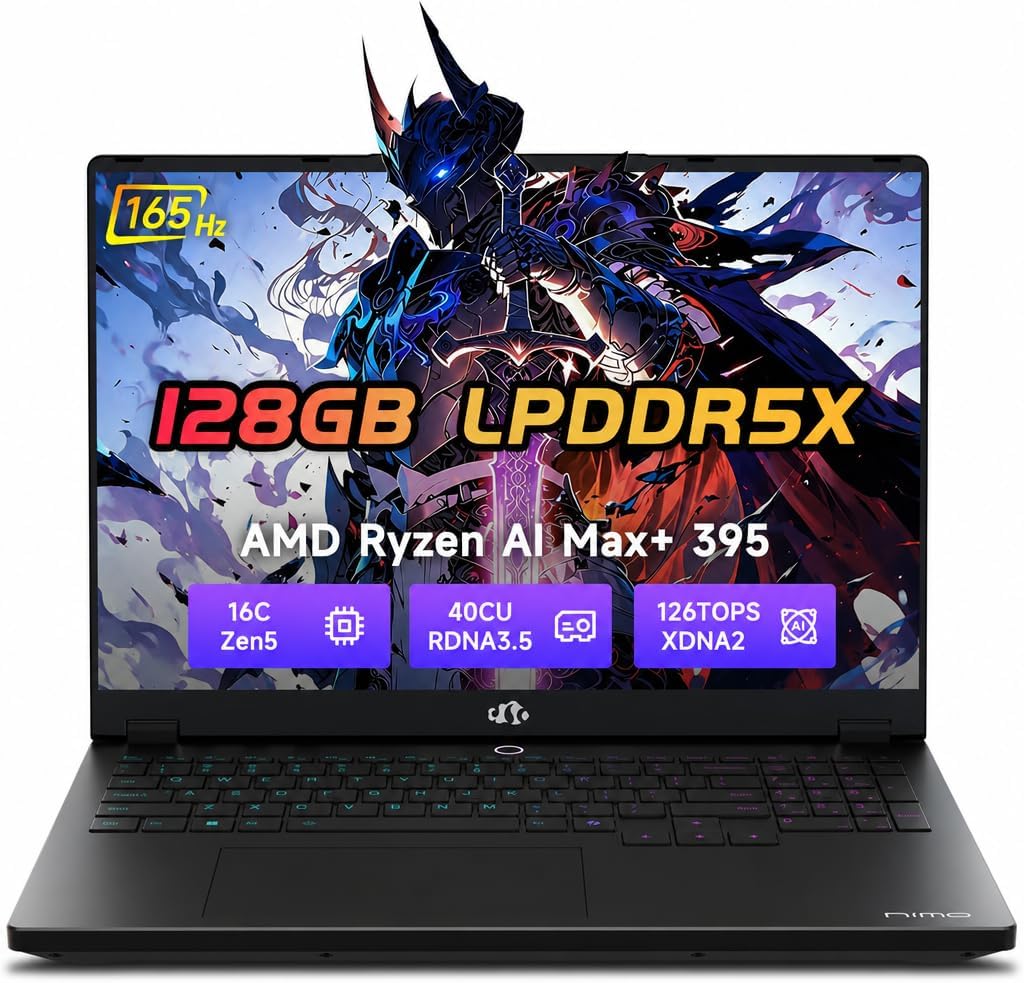
This laptop is a powerhouse designed for developers who need local AI training capabilities. The perfect 5.0 rating highlights its ability to handle massive workloads. It brings server-level specs to a portable form factor with a pre-installed Linux OS.
We may earn a commission when you buy through this link, at no additional cost to you.
Featuring 128GB of RAM, it can run dozens of containers simultaneously without lag. The Ryzen Max+ 395 processor supports 4K editing and complex rendering tasks efficiently. The 99Wh battery meets airline limits for travel productivity on long flights.
The high cost is a barrier for casual users but justified for professionals relying on local LLM fine-tuning. The specialized hardware might require extra configuration for non-AI workloads. However, performance remains unmatched in the current market.
It is best suited for engineers and researchers who need privacy and power for AI work. We recommend it for those building complex models locally. The hardware ensures you are future-proofed for advanced computing needs.
Run large language models locally to ensure data privacy while avoiding expensive cloud subscription fees.
The 99Wh battery allows full-day usage and is compliant with airline regulations for carry-on electronic devices.
We may earn a commission when you buy through this link, at no additional cost to you.
This laptop prioritizes workspace and storage for users managing large data sets. The 17.3 inch screen provides ample room for spreadsheets and code windows. With 32GB of RAM, it handles heavy multitasking without slowing down.
We may earn a commission when you buy through this link, at no additional cost to you.
The storage setup combines a fast SSD for the OS with a large HDD for files. This is ideal for users who need to archive data locally. The keyboard includes a full number pad which is essential for accounting work.
The display resolution is lower than modern standards which may affect visual clarity. The weight makes it less suitable for daily commuting. These factors are acceptable for desktop replacements in office environments.
We recommend this for stationary office use where screen real estate is critical. It offers a stable Linux environment with plenty of resources. Ideal for data entry and long-term project management tasks.
Mix of SSD and HDD ensures fast boot times while offering cheap bulk storage for backups and archives.
The large screen allows side-by-side window management reducing eye strain during long editing sessions.
We may earn a commission when you buy through this link, at no additional cost to you.
This variant offers a streamlined version of the IdeaPad line focused on essential Linux capabilities. It retains the powerful Ryzen 7 processor for reliable daily performance. The touchscreen adds versatility for navigation and interaction without a mouse.
We may earn a commission when you buy through this link, at no additional cost to you.
Ubuntu Linux is pre-installed so you get a clean environment without extra steps. The display provides good clarity for standard work tasks. It is lightweight enough to fit into small backpacks for travel.
The limited port selection might require a hub for multiple peripherals. The lack of user ratings makes reliability harder to verify initially. However, the specs suggest it is a competent machine for standard productivity.
We recommend this for users who want a simple portable Linux device. It is great for students or travelers needing basic computing power. The touchscreen adds a modern touch to an otherwise standard laptop.
Slim design allows for easy transport making it perfect for users who work from cafes or co-working spaces.
Touchscreen support enables intuitive gesture controls useful for presentation and navigation tasks.
We may earn a commission when you buy through this link, at no additional cost to you.
This budget model is best for basic tasks and light browsing on a Linux setup. The N150 processor handles web applications with ease when paired with cloud tools. It offers a clean and simple form factor for everyday use.
We may earn a commission when you buy through this link, at no additional cost to you.
With 128GB storage it relies heavily on cloud storage for file management. The lightweight chassis makes it easy to carry around campus or office. Wi-Fi 6 ensures stable connectivity in crowded networks.
The 4GB RAM limits running multiple apps at once. It ships with Windows but can be re-imaged with Linux for better performance. Users should expect basic functionality rather than high performance.
We recommend this for light users who prioritize price and portability. It is suitable for reading and writing tasks. The cloud storage integration helps mitigate local storage limitations.
Built-in cloud storage allows you to save files online freeing up local space for essential applications.
Wi-Fi 6 support ensures faster data transfer and better connection stability in busy public spaces.
We may earn a commission when you buy through this link, at no additional cost to you.
This machine excels in handling complex AI workloads with its massive RAM. It stands out for running local LLMs without external servers. The high refresh rate display ensures smooth motion during rendering and coding.
We may earn a commission when you buy through this link, at no additional cost to you.
Security is enhanced with biometric login features that keep your work safe. The battery life supports long sessions away from power outlets. It is a professional tool designed for heavy technical workflows.
The cost is high and may not suit casual users. Familiarity with Linux is required to leverage its full potential. These barriers are acceptable for professionals needing this level of power.
We recommend this for researchers and developers working on AI models. It offers unmatched performance for local training tasks. The build quality supports demanding daily use.
Biometric logins protect sensitive data ensuring only authorized users can access the system.
High refresh rate and color accuracy make it suitable for detailed visual tasks and design work.
We may earn a commission when you buy through this link, at no additional cost to you.
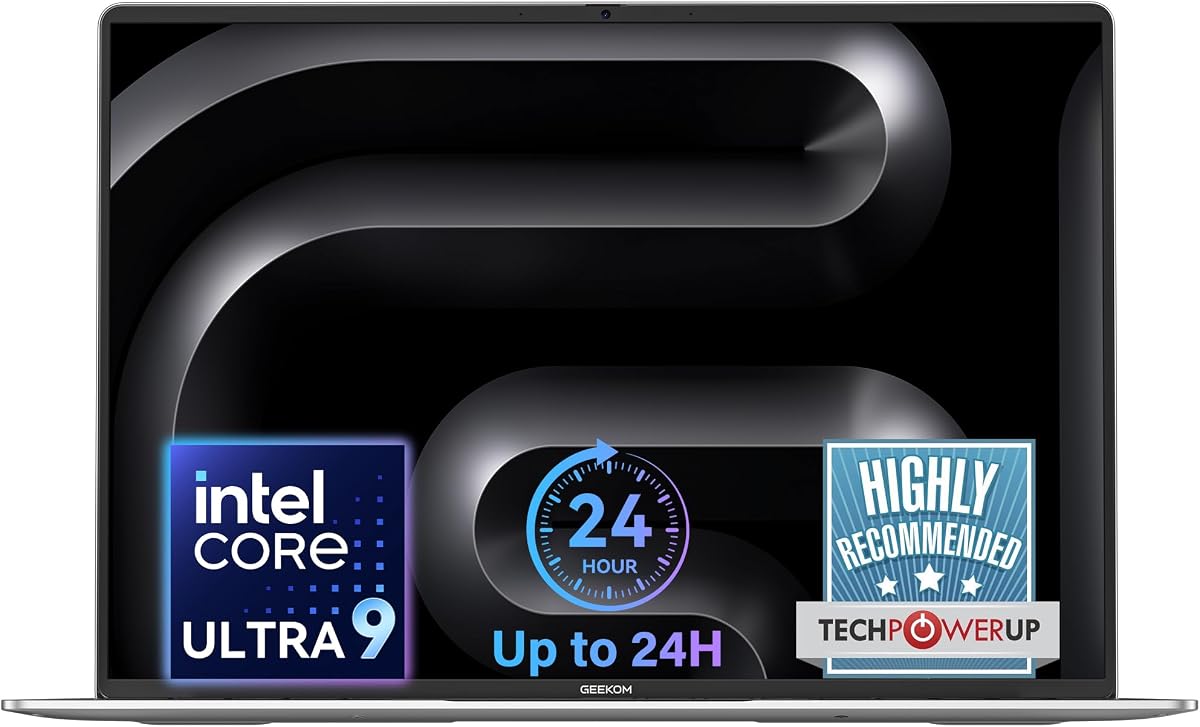
This laptop delivers exceptional battery endurance making it great for travel. The large battery supports full workdays without charging. It includes a powerful processor capable of sustained high performance.
We may earn a commission when you buy through this link, at no additional cost to you.
The display offers more vertical space for productivity tasks. It supports up to three external monitors which is rare in this class. Connectivity is robust with multiple ports for peripherals.
It ships with Windows but supports Linux distributions well. Thermal modes help manage performance depending on user needs. Users should expect solid stability with the right configuration.
We recommend this for frequent travelers who need reliable uptime. It offers a premium feel with strong build quality. Ideal for remote workers needing a portable workstation.
Long battery life ensures you stay productive throughout long flights without worrying about power adapters.
Larger display area allows multiple windows open at once improving multitasking efficiency.
We may earn a commission when you buy through this link, at no additional cost to you.
This model focuses on display quality and standard business specs. The IPS screen ensures good viewing angles for shared work. It features a modern Ryzen processor that handles daily tasks efficiently.
We may earn a commission when you buy through this link, at no additional cost to you.
With 16GB RAM it supports standard software suites. Wi-Fi 6 keeps you connected in fast networks. The large screen size is beneficial for viewing documents and code.
The bulk makes it less portable than smaller models. It ships with Windows but is capable of running Linux effectively. Users should consider the weight before traveling.
We recommend this for office environments where screen size is a priority. It provides a reliable platform for data analysis. Great for stationary users needing a big workspace.
IPS technology provides consistent colors and wide viewing angles useful for presentations and reviews.
Wi-Fi 6 support ensures stable fast connections for cloud-based work and video calls.
We may earn a commission when you buy through this link, at no additional cost to you.
This ThinkPad is built for reliability and enterprise environments. It comes with a Vanilla Linux system ensuring no bloatware. The build quality meets rigorous business standards for long-term use.
We may earn a commission when you buy through this link, at no additional cost to you.
The DDR5 RAM provides future-proof memory speeds. The keyboard features backlighting and a fingerprint reader for secure access. It supports modern connectivity via USB-C and HDMI.
The keyboard layout requires stickers for English users which adds setup time. Storage is modest so external drives may be needed. These are manageable issues for a professional device.
We recommend this for business users needing a secure Linux laptop. It is ideal for development and management tasks. The durability ensures it lasts through heavy daily use.
Fingerprint authentication adds an extra layer of security for sensitive work and remote access.
Built to business standards this device withstands harsh conditions and frequent travel requirements.
We may earn a commission when you buy through this link, at no additional cost to you.
Choosing the right Linux laptop involves balancing hardware compatibility with performance needs. This guide outlines the critical factors you should consider before making your purchase.
Many laptops come with Windows which requires manual installation of Linux. Look for models with Ubuntu or Mint pre-installed to save time and ensure driver support. This reduces the risk of hardware incompatibility issues upon arrival.
Always check the product description to confirm the OS type before buying. A pre-loaded system guarantees immediate usability.
Linux can run on various processors but AMD Ryzen and Intel Core options are common. Higher core counts allow better multitasking for development environments. Ensure the processor supports modern Linux kernel requirements for security.
Choose a multi-core processor to handle background services and heavy applications efficiently.
RAM is critical for running virtual machines and containers. Aim for at least 16GB to ensure smooth performance. DDR5 options provide faster speeds which helps with large data processing.
Prioritize RAM over storage if you plan to run complex software stacks.
SSDs are essential for fast boot times and application loading. NVMe drives are faster than SATA options for modern Linux distributions. Consider a model with a large SSD or hybrid storage for flexibility.
Ensure you have enough space for your tools and data without relying heavily on cloud.
Resolution impacts your workspace efficiency. Full HD is standard but higher resolutions offer more vertical space. Larger screens reduce eye strain during long coding sessions.
Select a display that balances portability with visual comfort for your work style.
Ports like USB-C and HDMI are necessary for peripherals. Ensure the laptop has enough ports for your current setup. Thunderbolt support adds versatility for docking stations and high-speed storage.
Check the port mix to avoid needing extra hubs or adapters.
Battery life determines how long you can work away from a charger. Look for models with high watt-hour batteries. Travelers need devices that are light and fit in backpacks easily.
Balance battery capacity with weight to maintain mobility.
Military-grade durability ensures the device survives physical stress. Look for reinforced chassis materials. A durable keyboard and trackpad improve long-term comfort.
Invest in a robust device to extend its useful lifespan.
Start by updating your system packages regularly to keep security patches current. Use the terminal to install essential development tools and libraries. This ensures your environment stays efficient and secure.
Manage your battery by adjusting power settings and closing unused apps. Clean the screen with a microfiber cloth and avoid harsh chemicals. Proper cleaning preserves the display and keyboard for years.
Backup important data to external drives or cloud services before major updates. Use the built-in firewall to protect against unauthorized access. These habits extend the life of your machine.
Most models listed come with Linux pre-installed ensuring full compatibility. If you install your own distribution check for driver support for graphics and wifi. These systems are tested to work out of the box.
Some models allow RAM upgrades but many modern laptops have soldered memory. Check the specific product specs before purchasing if you plan to expand capacity. Look for open slots to future-proof your investment.
Several options include Ubuntu or Mint pre-installed to save setup time. Others come with Windows but support standard Linux distributions. Always verify the operating system listed in the product title.
Models with at least 16GB RAM and a good processor are ideal for coding. The Lenovo IdeaPad Slim 3 offers a strong balance. Choose a screen size that suits your workspace needs.
A 256GB SSD is usually enough for the OS and basic tools. If you use large datasets or virtual machines consider 512GB or more. External drives can supplement internal storage for archives.
Higher-end models like the NIMO laptop support 4K workflows. Standard models handle basic editing well but might struggle with high resolution. Check the GPU and RAM for specific rendering tasks.
You can run many Windows apps using compatibility layers like Wine or virtual machines. Native Linux applications are preferred for stability. Most development tools are available as Linux packages.
Modern distributions like Mint and Ubuntu are user-friendly for beginners. There are many tutorials available to help you get started. Most tasks can be done without deep command line knowledge.
We have covered ten distinct models ranging from budget to premium options. The Lenovo IdeaPad Slim 3 and HP Business series offer solid reliability for daily tasks. The NIMO laptop stands out for those needing high-performance AI capabilities.
Prioritize your specific needs like battery life or screen size before purchasing. Ensure the chosen model aligns with your workflow requirements. Compatibility is key to avoiding technical hurdles after purchase.
Prices and availability change often so check current listings for the best deal. These recommendations reflect the current market status in November 2026. We hope this guide helps you find the perfect Linux laptop.